
Blue Flame vs Yellow Flame: What Is The difference?
Blue Flame vs Yellow Flame: What Does It Mean for Your Gas Appliance?
A gas flame can tell you a lot about the performance and safety of your appliance. Many homeowners do not realise that the colour of their gas flame is an important indicator of how efficiently their appliance is burning fuel. Understanding the difference between a blue flame vs yellow flame can help you identify potential issues before they become serious problems.
A healthy gas appliance should generally produce a steady blue flame. However, a yellow or orange flame may indicate incomplete combustion, poor airflow, or a problem with the burner system. Knowing what each flame colour means allows you to take action quickly and keep your home safe.
By Nextgen Gas Solutions, South Africa
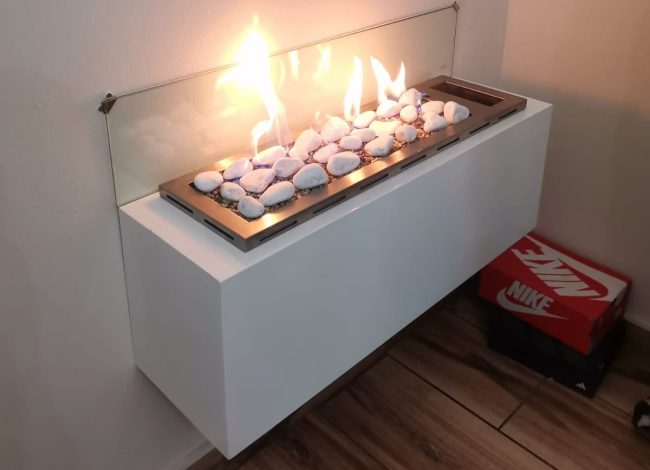
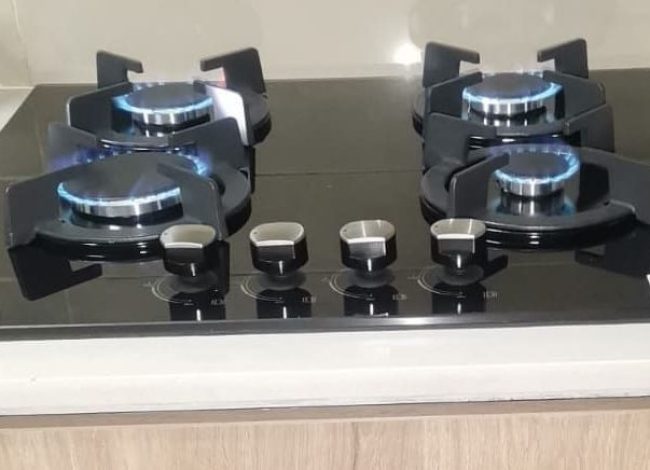
What Does a Yellow Flame Mean?
A yellow flame can be a warning sign that your gas appliance is not burning fuel properly. This often happens when there is insufficient oxygen mixing with the gas, causing incomplete combustion.
Unlike a blue flame, a yellow flame may produce higher levels of carbon monoxide, a dangerous and odourless gas that can pose serious health risks. If you notice a yellow flame, it is recommended to switch off the appliance and have it inspected by a qualified gas professional.
What Does a Blue Flame Mean?
A blue flame is usually a sign that your gas appliance is working correctly. It indicates that the gas is burning efficiently with the right balance of fuel and oxygen. This creates complete combustion, producing maximum heat while releasing minimal waste products.
When your gas heater, stove, fireplace, or geyser produces a consistent blue flame, it means the appliance is likely operating efficiently. Blue flames also help reduce energy waste, allowing your appliance to perform better while using less gas.
Why Flame Colour Matters for Safety
The difference between a blue flame vs yellow flame is not only about appliance performance; it is also about safety. A properly burning blue flame reduces the risk of carbon monoxide buildup and helps your appliance run efficiently.
If your flame suddenly changes colour, becomes unstable, produces soot, or creates unusual smells, it is important to have the appliance checked. Early detection can prevent costly repairs and protect your household.
How to Keep Your Gas Appliance Safe
To maintain a safe and efficient gas appliance:
- Schedule regular gas appliance servicing.
- Keep burners clean and free from dust.
- Ensure proper ventilation around appliances.
- Use qualified gas installers for repairs and installations.
- Check flame colour regularly.
- Professional installation and maintenance ensure your gas appliances meet safety standards and operate at their best
Final Thoughts
Understanding the difference between a blue flame vs yellow flame helps homeowners recognise when their gas appliance is working correctly and when it may need attention. A blue flame usually indicates efficient combustion, while a yellow flame may signal a potential safety concern.
If you notice a yellow flame on your gas stove, heater, fireplace, or geyser, contact NextGen Gas Solutions for expert gas installation, maintenance, and safety inspections. Keeping your gas appliances in good condition ensures reliable performance and peace of mind.
Frequently Asked Questions
Yes. A steady blue flame usually indicates that the gas is burning efficiently with the correct air-to-gas ratio
A yellow flame can indicate incomplete combustion, poor ventilation, blocked burner ports, or incorrect gas pressure. It should be inspected by a qualified gas professional.
It can be. A yellow flame may indicate incomplete combustion, which can increase the risk of carbon monoxide production. Turn off the appliance and arrange a professional inspection if the flame remains yellow.
First, stop using the appliance if the flame remains yellow or produces soot. A qualified gas technician should inspect the burner, ventilation, gas pressure, and other components before the appliance is used again.