
Gas Stove Installation: What Homeowners Should Know
Gas Stove Installation: What Homeowners Should Know
Installing a gas stove can make cooking faster, more convenient, and more efficient. However, Gas Stove Installation requires careful planning and professional attention to safety. From choosing the right location to checking gas connections, every detail matters. Homeowners should understand the installation process before allowing any gas appliance into their property.
A poorly installed gas stove can create serious safety risks and may affect appliance performance. Therefore, working with experienced professionals is essential for reliable results. NextGen Gas Solutions provides professional gas services designed to help homeowners install their appliances correctly. With the right installation, you can enjoy your gas stove with greater confidence and peace of mind.
By Nextgen Gas Solutions, South Africa
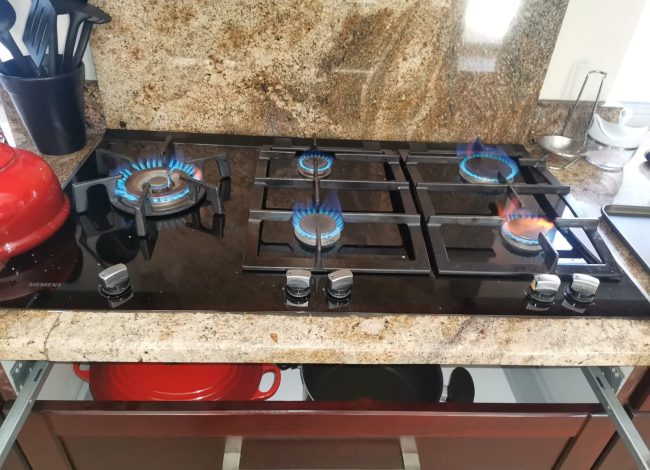
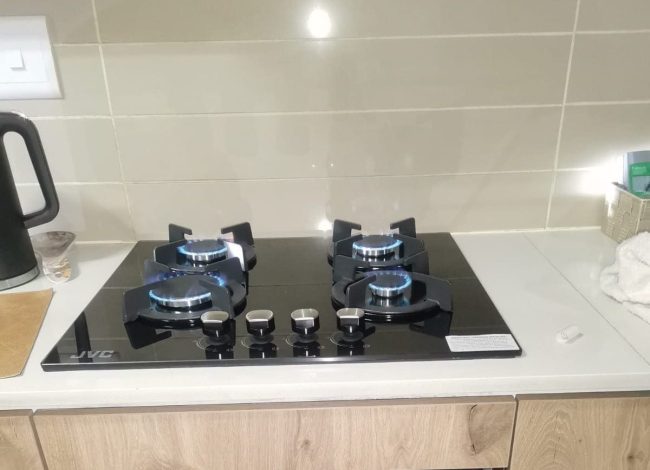
Why Professional Installation Matters
Although a gas stove may appear simple to install, connecting it incorrectly can create dangerous gas leaks. Professional Gas Stove Installation ensures that connections, pipes, valves, and fittings are handled correctly. Qualified technicians can also identify potential issues with the property’s existing gas setup before completing the work. As a result, homeowners can reduce unnecessary risks and improve appliance performance.
Furthermore, professional installation helps ensure that the appliance is positioned correctly and operates as intended. An experienced technician can check ventilation requirements and confirm that the installation is suitable for the kitchen. This approach also helps prevent problems that could otherwise become expensive to fix later.
Choosing The Right Gas Stove
Before arranging Gas Stove Installation, homeowners should select an appliance that suits their cooking needs and available space. Gas stoves come in different sizes, designs, burner configurations, and features. Therefore, it is important to consider how frequently you cook and how much cooking space you need. You should also measure the installation area carefully to avoid fitting problems.
Additionally, homeowners should consider the location of the gas supply and the position of nearby electrical connections where applicable. A professional installer can assess these requirements and help identify potential installation challenges. By planning ahead, you can make the installation process smoother and avoid unnecessary modifications.
Preparing Your Kitchen
Proper preparation can make Gas Stove Installation more efficient and safer. The installation area should remain clear so that the technician can access the appliance and gas connection points easily. Existing appliances may need to be removed before the new stove can be positioned correctly. The surrounding surfaces should also be clean and suitable for the new appliance.
Ventilation is another important consideration. Gas appliances require appropriate airflow to support safe operation and combustion. Consequently, homeowners should ensure that the kitchen meets the necessary ventilation requirements before installation begins. A professional assessment can help identify whether additional ventilation measures are required.
Checking Gas Connections
One of the most important parts of Gas Stove Installation is connecting the appliance to the gas supply correctly. Every connection should be secure and checked carefully before the stove is used. Even a small leak can allow gas to escape into the property. Therefore, professional testing is an important part of the installation process.
NextGen Gas Solutions approaches gas appliance installation with safety and functionality in mind. Our technicians inspect the relevant connections and ensure that the appliance is ready for safe operation. This provides homeowners with greater confidence when using their new stove.
Common Installation Mistakes
DIY Gas Stove Installation can lead to several avoidable problems. Incorrect fittings, poorly secured connections, inadequate ventilation, or improper positioning can compromise safety. Homeowners may also overlook important checks because they are unfamiliar with gas appliance requirements. These mistakes can lead to poor appliance performance or potentially dangerous situations.
Another common mistake is choosing a stove without considering the available space. A model that is too large or poorly positioned can create practical problems in the kitchen. Fortunately, professional installers can identify these issues early and provide suitable recommendations.
Frequently Asked Questions
It is best to use a qualified professional for gas appliance installation. Incorrect connections can create gas leaks and safety hazards.
The stove should be positioned in a suitable location with adequate ventilation and safe clearance from surrounding surfaces. A professional can assess the space before installation.
Not always. If a suitable gas connection already exists, it may be possible to use the existing setup. However, a technician should inspect it first.
Regular inspection is recommended, especially if you notice unusual flames, smells, poor ignition, or changes in performance.
Turn off the gas supply if it is safe to do so, avoid flames and electrical switches, ventilate the area, and contact a qualified gas professional immediately.